Email is the #1 Cybersecurity Risk for Small Businesses
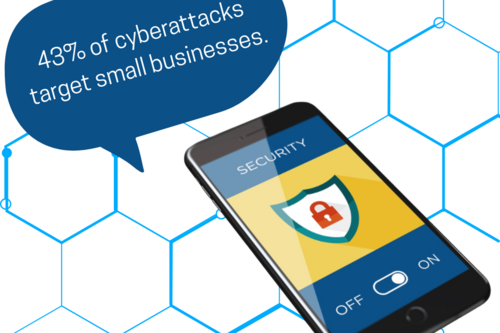
Do you own a small business?
Did you know that your business’s email is the easiest way to hack your company?
If your business has between 10 and 50 employees, email is probably the most important tool you use every day. It is also, by far, the biggest cybersecurity risk facing small businesses today.
Most owners assume cybercriminals go after large corporations with massive budgets and sensitive data. In reality, small businesses are often easier targets. Attackers know that smaller organizations rely heavily on email, use cloud platforms like Microsoft 365, and usually lack dedicated security staff.
Understanding why email is so dangerous, and what you can do about it, is one of the most important steps you can take to protect your business.
Why Cybercriminals Target Email First
Email is attractive to attackers for a simple reason: it works.
Phishing emails, fake invoices, and compromised accounts don't require breaking into servers or exploiting complex systems. All they need is one person to click a link, open an attachment, or reply to a message that looks legitimate.
For small businesses, this risk is amplified because:
- Employees often wear many hats and work quickly
- There is less formal security training
- Email accounts are tightly connected to file storage, accounting systems, and vendor relationships
Once an attacker gains access to a single mailbox, they can move laterally, impersonate users, and quietly gather information.
The Most Common Email-Based Attacks We See
Not all email threats look dramatic. Many are subtle and designed to blend into normal business activity.
Phishing Emails
These are messages that pretend to be from trusted sources, such as Microsoft, a bank, or a vendor. The goal is to trick users into clicking a link or entering credentials.
Modern phishing emails are often well written and personalized, making them hard to spot without training.
Business Email Compromise (BEC)
This is one of the costliest attacks for small businesses. An attacker gains access to a real email account and uses it to:
- Request wire transfers or ACH payments
- Change vendor banking details
- Ask for sensitive information
Because the email comes from a legitimate account, these attacks frequently bypass basic filters.
Malicious Attachments
Fake PDFs, Word documents, or shared files can install malware or ransomware when opened. These often arrive disguised as invoices, shipping notices, or contracts.
Account Takeovers
If an attacker steals a password, they can log in directly to Microsoft 365 or Google Workspace, often without triggering alarms. From there, they can monitor conversations and strike at the right moment.
Why Microsoft 365's Built-In Security Isn't Enough
Microsoft provides baseline security features, but they are not designed to fully protect small businesses on their own.
Out of the box:
- Phishing detection is limited
- Alerts may not be monitored in real time
- Response still depends on someone noticing a problem
Microsoft secures their platform. They do not actively manage your risk, train your users, or respond to incidents for you.
This gap is where many small businesses get hurt.
The Human Factor Matters More Than Technology
Most email attacks succeed because they rely on normal human behavior. Employees are busy, helpful, and used to responding quickly.
That is why effective email security must include:
- Ongoing user awareness training
- Realistic phishing simulations
- Clear procedures for reporting suspicious emails
Training is not about blaming employees. It is about giving them the confidence to slow down and question unexpected messages.
What Effective Email Security Looks Like for Small Businesses
A strong email security strategy does not have to be complicated, but it does need to be layered.
At a minimum, it should include:
- Advanced phishing and malware filtering
- Continuous monitoring of email activity
- Rapid response when suspicious behavior is detected
- Regular testing and training for users
- Backup and recovery options in case an account is compromised
Most importantly, someone needs to be responsible for watching and responding to alerts. Security tools that no one monitors provide a false sense of protection.
Why Proactive Monitoring Makes the Difference
Many businesses only discover an email breach after money has been sent or data has been lost. By then, the damage is already done.
Proactive monitoring can detect:
- Suspicious logins
- Unusual forwarding rules
- Credential misuse
- Early signs of account takeover
Catching these issues early can mean the difference between a minor incident and a major financial or reputational loss.
Email Security Is Business Protection
Email security is not just an IT issue. It directly affects:
- Cash flow
- Vendor relationships
- Customer trust
- Business continuity
For small businesses, even a single successful email attack can be disruptive and expensive. Taking email security seriously is one of the most cost-effective risk management decisions you can make.
Get Tech Support for Your Ann Arbor Business
Cybercriminals are not slowing down, and email remains their favorite entry point. The good news is that most email-based attacks are preventable with the right combination of technology, training, and active oversight.
If you'd like help evaluating your current email security posture or understanding where your biggest risks are, a professional assessment can provide clarity and peace of mind. Call 877-815-6074 or submit an online contact form to talk with a tech support specialist.